
Logging into a mobile gaming platform should be a smooth experience from the very initial touch. For users in Poland checking out the pobierz aplikację ninekasyno mobile application, comprehending the selection of login methods available is vital for both protection and comfort. The application has been crafted to accommodate different user preferences, whether someone chooses traditional logins or modern biometric options. This guide comprehensively explores every login method present on the platform, making sure players can make educated decisions about how they protect their accounts. The information presented here applies exclusively to the downloadable application version, which provides improved speed compared to browser-based choices while keeping the same solid security protocols that users expect from a respected gaming environment.
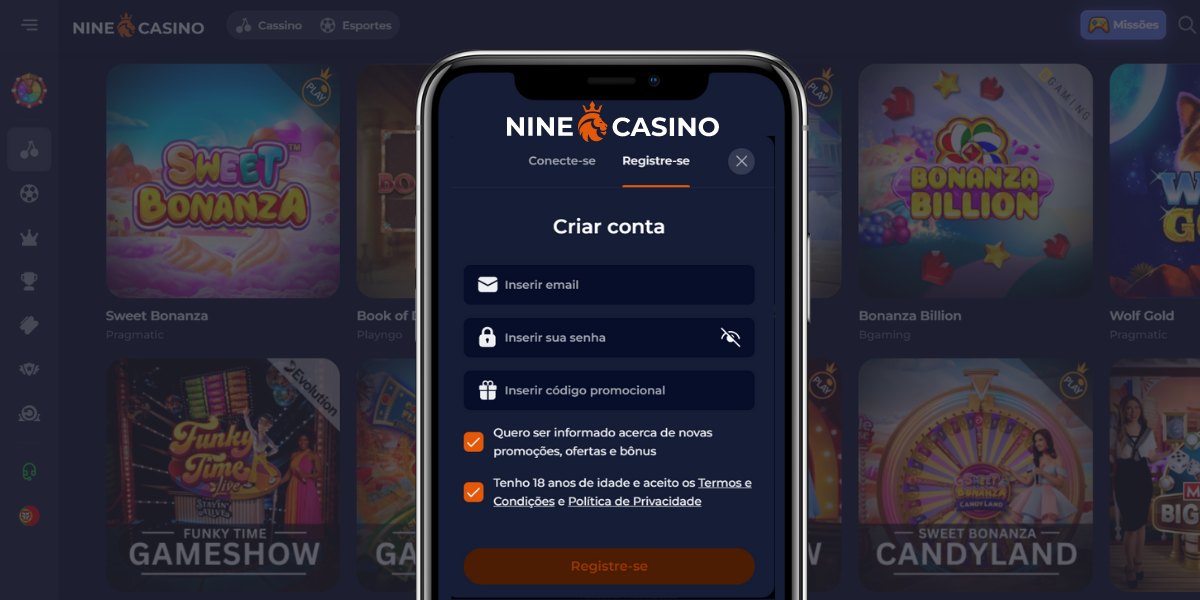
Common Email and Password Authentication
The fundamental authentication method available on the application relies on registered email addresses combined with user-created passwords. During the account setup process, players submit a valid email address that acts as their distinct identifier within the system. The password requirements impose minimum complexity standards including character variety and length specifications that align with current data protection recommendations in European jurisdictions. When users type credentials, the application sends encrypted data packets rather than plain text information, guaranteeing that intercepted communications remain unintelligible to unauthorized parties. The system also records failed attempt patterns and implements temporary lockout protocols after consecutive unsuccessful entries, which prevents brute-force attacks while allowing legitimate users who simply mistyped to attempt again after a brief cooling period without needing immediate support intervention.
Password Recovery Mechanisms
For situations where users are unable to recall their current credentials, the system delivers an automated recovery pathway that maintains security integrity without demanding direct support contact. The process initiates through a clearly marked link positioned near the credential entry fields, deliberately designed to be noticeable without encouraging unnecessary use. Once triggered, the system transmits a time-sensitive reset token to the email address linked with the account, never disclosing whether that email exists in the database to prevent enumeration attacks. Users should guarantee they maintain access to their registered email account separately from their casino profile, as losing access to both simultaneously produces a circumstance requiring manual identity verification through the customer support team.
Developing a Recovery Email Strategy
Users who aim to enhance their account security should consider using an email address specifically for gaming platform registrations. This approach compartmentalizes risk because a compromise of a standard email account would not automatically grant access to the casino profile. Furthermore, enabling two-factor authentication on the email provider itself creates a cascading security effect where an attacker would need to overcome multiple independent systems simultaneously. The recovery email should use a provider that supports modern encryption standards and preferably offers login notification features so users get immediate alerts if unauthorized access attempts occur against the email account that could potentially be used to reset casino credentials.
Handling Multiple Device Access
Users who alternate between multiple mobile devices or share a tablet with family members should comprehend how the application handles login sessions across different hardware. The system enables installation on multiple devices linked to the same account, but simultaneous active sessions cause security notifications to the registered email address. When logging in from a new device for the first time, the application requires full credential entry regardless of saved preferences on other hardware, and the system logs the device fingerprint including model information and network characteristics. This device profiling enables users to examine recognized hardware through account settings and remotely terminate sessions on devices they no longer use or do not recognize, providing ongoing account hygiene capabilities.
- Always check the device name and last access timestamp when reviewing active sessions.
- Stop any session immediately if the location or device model seems unfamiliar.
- Change the account password after revoking unrecognized sessions to prevent immediate reconnection.
- Activate login notifications to receive real-time alerts whenever a new session initiates.
Fingerprint Authentication Capabilities
Modern smartphone hardware features sophisticated sensors capable of verifying identity through physical characteristics that are very difficult to duplicate. The Nine Casino application leverages these native biometric systems, allowing users to log in through fingerprint scanning or facial recognition after an initial setup process. When enabled, the application does not save actual fingerprint images or facial maps but instead relies on the device operating system to confirm identity through its encrypted biometric module. This produces a scenario where even if the application data were somehow extracted, the biometric information would be secure within the device’s dedicated hardware security zone. Users should note that biometric methods remain optional enhancements rather than replacements for underlying credentials.
Enabling Fingerprint Access
Establishing fingerprint authentication demands the device first possess at least one fingerprint enrolled in the system settings outside the application. Once this prerequisite exists, users access the security section within the application preferences and toggle the biometric login option. The application then performs a verification sequence where the user submits their standard password one final time, confirming they approve the biometric pathway, before the system stores the fingerprint method as an recognized authentication factor. Subsequent login attempts present the https://wyborcza.pl/7,75399,26277789,dyskryminacja-w-polskiej-ambasadzie-na-islandii-komisja-antymobbingowa.html fingerprint prompt automatically, and users can revert to password entry at any time by selecting the alternative method option displayed on the login screen without needing to deactivate the biometric configuration.
Face Recognition Parameters
Facial recognition operates similarly but introduces additional considerations regarding environmental conditions. The technology needs sufficient illumination and an unobstructed view of the registered face, which means users attempting login in dark environments might face diminished accuracy. The application takes advantage of the device’s inherent facial mapping, which on recent hardware relies on depth-sensing capabilities rather than simple camera comparisons, blocking images from evading the security measure. Users who wear glasses, makeup, or facial hair ought to register with their regular daily look to maximize recognition accuracy, and most devices support multiple facial scans to accommodate reasonable variations in appearance that occur naturally over time without undermining the security level.
Comprehending the Mobile Application Ecosystem
The Nine Casino mobile application constitutes a dedicated software solution developed specifically for handheld devices running on major platforms. Unlike responsive websites that adapt to screen sizes, a native application delivers enhanced graphics processing, smoother animations, and reduced latency during live dealer sessions. The installation package contains all necessary assets locally, meaning authentication processes occur faster because credential verification does not depend entirely on real-time server communication for every interface element. Users profit from push notification capabilities for login alerts, which adds an immediate security layer unavailable through browser access. The application environment also insulates sensitive data within a sandboxed structure that the device operating system supervises, creating a dual-protection scenario where both platform security and device-level safeguards function simultaneously without interfering with legitimate access attempts.
Sign-in Troubleshooting and Support Resources
When sign-in attempts fail despite correct account info, several troubleshooting approaches can resolve the issue before contacting technical support. The first checking step involves verifying the software version is up-to-date, as outdated software may face compatibility issues with current authentication server protocols. Removing the application cache eliminates corrupted temporary files that sometimes conflict with the login module without impacting account data or stored preferences. For recurring problems, users should document the exact error message displayed, the timestamp of the attempt, and the network type in use, because this details helps support representatives identify the cause efficiently. The in-application support portal delivers direct contact channels that operate independently from the login system, making sure users can access assistance even when they cannot currently access their accounts.
- Verify internet connectivity by loading an external website to confirm the network is operational.
- Refresh the application to the latest available version through the official distribution platform.
- Purge the application cache through device preferences without removing stored data.
- Restart the device completely to rectify memory problems affecting the login process.
- Try login on an different connection type, such as moving from Wi-Fi to cellular data.
- Contact support with the error information if all previous steps are unsuccessful to restore access.
Two-Step Verification Integration
Beyond single-method login approaches, the application includes two-factor authentication that combines something the user has with something the user possesses. After entering the standard password, the system requests a secondary verification code produced either by an authenticator application or sent through SMS messaging. This configuration means that even if a malicious actor acquires a user’s password, account access continues blocked without physical possession of the secondary device. The time-based one-time password standard used by authenticator applications generates codes that refresh every thirty seconds, negating the window of vulnerability that static backup codes create. Players who manage multiple online accounts will find compatibility with major authenticator applications they may already utilize for other services.
Restore Codes for Two-Factor Authentication
Upon enabling two-factor authentication, the system creates a set of single-use recovery codes that users should store securely offline. These codes act as emergency bypass tokens for scenarios where the secondary authentication device becomes missing due to loss, damage, or factory reset. Each code operates exactly once, after which the system invalidates it permanently, and users can track code usage history to detect any unauthorized recovery attempts. The recommended storage approach involves writing the codes on paper kept in a physically secure location rather than saving them in a notes application or cloud storage service, because digital storage of recovery codes essentially reduces the two-factor security model back to single-factor by putting both authentication elements within the same access environment.
Network Security for Login
The network environment through which users access to the application significantly impacts login security. Shared wireless networks, notably those without password protection, leave authentication data to potential interception because communications across open networks can be captured by other devices on the same subnet. Our software protects login communications regardless of network type, which delivers protection against passive eavesdropping, but users should remain aware that sophisticated attackers may employ techniques beyond simple traffic capture. Employing cellular data connections for login procedures eliminates shared-network risks entirely, and mobile data encryption standards provide robust protection for the brief data exchange that authentication demands. VPN services offer additional encapsulation for users who must connect through unfamiliar networks.
Common Queries
Are users able to users to keep their account info on the mobile application?
The application can securely store usernames to make things easier through the device’s encrypted credential storage system, removing the requirement to re-enter email addresses during each session. Password saving is contingent upon the operating system’s native autofill capabilities, which encrypt stored credentials using hardware-backed security modules. Players should assess whether the convenience of saved credentials outweighs the security benefit of manual entry based on their personal risk assessment and whether other individuals have physical access to their unlocked device.
What occurs to an account after multiple failed login attempts?
The security system implements progressive delays after consecutive failed authentication attempts. Following a set quantity of incorrect submissions within a defined time window, the account enters a temporary lockout state that prevents further login attempts for a set duration. This mechanism stops automated password-cracking tools while allowing legitimate users who recall their correct password to wait briefly and try again. Ongoing lockouts require identity verification through customer support to restore access.
Is the biometric authentication option available on all mobile devices?
Availability of biometric authentication depends completely on the hardware capabilities of the particular smartphone or tablet model. Devices must possess functioning fingerprint sensors or facial recognition hardware that fulfills the operating system’s security classification standards. Older devices lacking biometric sensors or those having sensors that do not meet current security certification thresholds will not present biometric login options within the application settings. Users can verify compatibility by checking whether their device offers biometric unlock for the device itself.
How can users update their login password through the application?
The password change feature resides within the account security settings accessible after successful authentication. Users must supply their current password to verify identity before the system accepts a new password submission. The change goes into effect immediately across all active sessions, which will prompt re-authentication on other devices. For security purposes, the system applies the same complexity requirements during password changes as during initial account creation and blocks reuse of previously employed passwords.
Does the application support login through social media accounts?
What ought to users do when suspecting unauthorized account access?
The Nine Casino mobile application functions with dedicated account credentials tailored for the platform instead of relying upon third-party social media authentication. This approach guarantees that account security remains separate from social media profiles, preventing scenarios where a compromised social media account could grant unauthorized casino platform access. Users who prefer simplified login experiences can leverage biometric methods after initial setup rather than linking external authentication providers to their gaming account.
Immediate action should focus on securing the account by changing the password through any available authenticated session. If the user fails to access the account, the emergency account recovery process available from the login screen provides a pathway to regain control. Users should then review recent account activity for unfamiliar transactions and contact customer support to notify about the suspected breach. Enabling two-factor authentication after recovering control provides substantial protection against future unauthorized attempts using compromised credentials.